Can I Sell a House With an Illegal Basement Apartment?
Yes, you can sell a house with an illegal basement apartment in Ontario. The apartment itself doesn’t stop the sale. What matters is what you tell buyers about it, because misdescribing the unit is where sellers get into trouble after closing. Renting out a basement apartment can help a household keep up with its costs, and many homeowners do it successfully. But a basement unit that was never properly permitted or approved can create problems that stay hidden until you decide to sell. That’s when the buyer’s lawyer starts asking questions about permits, zoning, and
insurance.
Meet Marcus and Elena
Marcus and Elena rented out their basement to help cover a higher mortgage payment at renewal. Then a job took Elena to another city, and they listed the house. Their house had an interested buyer within a week.
Two days later, the buyer’s lawyer sent questions. Was there a building permit for the apartment? Was it registered with the municipality? Did it meet fire code?
Marcus and Elena had never thought about any of it. The unit was there when they bought, and no one had ever raised a concern. Now the buyer’s lender and insurer had questions of their own, and closing was three weeks away.
What would have helped Marcus and Elena most was a conversation with a real estate lawyer before they listed.
If you’re in a similar position, here’s how selling with a basement apartment works in Ontario.
Can I Sell a House with a Basement Apartment that I Never Got a Permit For?
The apartment itself doesn’t stop the sale. What matters is what you tell buyers about it, because misdescribing the unit is where sellers get into trouble after closing.
Renting out a basement apartment can help a household keep up with its costs, and many homeowners do it successfully. But a basement unit that was never properly permitted or approved can create problems that stay hidden until you decide to sell. That’s when the buyer’s lawyer starts asking questions about permits, zoning, and insurance.
What Makes a Basement Apartment “Illegal”?
Most of the time it isn’t that the apartment is unsafe. It’s that it was never properly approved.
A basement unit can fall short in a few ways:
- It was built without a building permit.
- It doesn’t meet the zoning rules for your property.
- It doesn’t meet fire code or electrical requirements, such as exits, smoke alarms, fire separations, or ceiling height.
- It isn’t registered with the municipality where registration is required.
If you own a property in Whitby, Ontario, here are the rules for Additional Dwelling Units (ADUs).
What Does the Seller Have to Tell the Buyer?
Sellers must be honest about what they’re selling. If you describe the home as a legal duplex or say the apartment is permitted, that has to be true. If you advertise rental income, you can’t suggest it’s guaranteed or legal when it isn’t. Hiding a known problem, or answering a buyer’s question inaccurately, can lead to a claim after closing.
If you bought the property without any reference to the legality of the basement apartment, you could make enquiries with the municipality about their requirements. This is a simple task, and it would make the property more marketable if there was a legal apartment. Otherwise, you must avoid making any representations about the basement, and you need to ensure that there is nothing in the agreement that states, or even implies, that the unit is approved.
What if someone is living in the apartment?
A tenant in an unpermitted unit still has rights under Ontario’s tenancy law. You can’t simply remove the tenant before a sale. Whether the buyer takes the tenant on or you deliver the home vacant has its own rules. We cover that in the next post in this series, Can I Sell a House That Has Tenants?
Key Takeaways
- You can sell a home with an unpermitted basement apartment in Ontario. The apartment doesn’t block the sale. How you describe it does.
- Be accurate in the listing, the agreement, and your answers. Calling an unapproved unit a legal duplex is where sellers get into trouble.
- Expect the buyer’s lawyer to ask about permits and zoning. These checks are routine, so it’s better to be ready than surprised.
- You have three options: legalize the unit, sell as-is with clear disclosure, or decommission it before listing. Never remove a unit that has a tenant without legal advice.
- A tenant has rights even in an unpermitted unit. You can’t simply remove the tenant before a sale.
- Talk to a lawyer before you list. Sorting this out first is much easier than fixing it mid-sale.
Contact
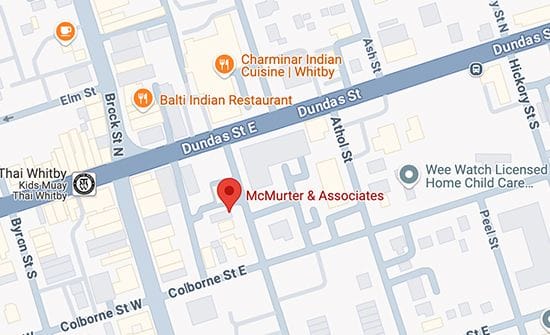
Brian McMurter is a real estate and estate planning lawyer at McMurter & Associates in Whitby, helping Durham Region, Ontario real estate clients with buying and selling their homes.
Contact McMurter & Associates Monday to Friday, 9 a.m. to 5 p.m. at info@mcmurter.com or call 1 800 756 7138 or 905 666 9200 to schedule a consultation.
Disclaimer: This article provides general information about Ontario law and is not a substitute for legal advice. Please speak with a lawyer about your specific circumstances before making decisions about real estate law.
| Tags:Real Estate Law Guides | McMurter & Associates, WhitbySelling a Home in Ontario | McMurter & Associates |